Saturday, 25 February 2017

Dental Council of India stops dental colleges in India


Dental college proposals to be scraped due to dearth of job opportunities in BDS.

Dental Council of India stops dental colleges in India

Due to dearth of job opportunities for students opting for BDS, a course in medical for dentistry,  India has made a decision to stop all dental colleges. The firm decision was taken by the Dental Council of India (DCI), the body that grants permission to establishments of new medical/dental institutes.
The decision was a result of several existing colleges, that wanted to scrap all requests for new institutes in the country. Apart from this, shortage of jobs in the dental sector has led to such a firm decision.

Statistics of Bachelors in Dental Surgery (BDS) in India:
  • With about 309 dental colleges in the country, 26,000 dentists graduate every year
  • In 1970, only 8000 students graduated
  • In 2004, there was one dentist per 10,000 people in urban India, however, there was only one dentist per 2.5 lakh in rural India
  • In 2010, the number of dentists went up to as high as 30, 570
  • It is likely in 2020, that India has a surplus of about 1 lakh dentists in the country.
What do dignitaries have to say about the issue?
  • DCI member and dean of Government Dental College Dr. Mansing Pawar said,  "It would be a good idea to consolidate our numbers now and strengthen the existing institutes"
  • "Mushrooming of dental colleges in the past few years in India has led to unemployment among Indian dentists. Thousands of dentists are coming out every year with very low prospects of jobs", said Namrata Dagli, a student, in one of her papers, 'Increasing Unemployment in dental graduates'
  • "Over the years, we have created a huge manpower of dentists and job avenues have shrunk. There is not much opportunity for today's passouts, except if they want to start their own practice, which too isn't easy. It needs money, space, infrastructure and the right attitude", said former acting president of DCI, Dr. Mahesh Verma.


Indian dentist gets real lucky; extracts the ‘world’s longest tooth’


Something spectacular was in store for this Vadodara-based dentist when he decided to conduct a surgical procedure on a young college student.

Surprises primarily come in two dimensions. While one of it is unpleasant and can shove us into a state of dejection, the other can instantly get us on cloud nine. Something spectacular was in store for the Vadodara-based dentist, Dr Jaimin Patel, when he decided to conduct a surgical procedure on a young college student. What began as a routine procedure of removing a canine tooth soon turned into a moment that he would cherish all his life – one that could, in all likelihood, earn him a place in the prestigious Guinness Book of World Records.

How Prepared Are You for a Medical Emergency?


“Medical Emergency Mastery” was designed to take the guesswork out of emergency preparedness. It empowers general dentists and their staffs to recognize and manage medical emergencies in their office through (1) an expertly crafted medical history, (2) a targeted emergency drug kit specifically for general dentists and (3) staff emergency training that is reproducible for staffs of any size. This three-pronged approach will prepare you to proactively lead your staff, protect your patients and give you the peace of mind you have earned.

Image result for medical emergency

#1: A properly constructed Medical History


A thorough medical history is the single most significant diagnostic tool.The majority of dentists purchase pre-packaged medical questionnaires that are far too generic and ask questions in an alphabetic type order (such as asthma, allergy, angina etc.). These questions require the practitioner to look at each question, determine if the response is acceptable and then ask an appropriate follow-up question. What if we forget the next right question? What if we don’t know the next question? What if we’re too busy?
The medical history should be constructed to include questions that you believe are relevant to your patient population, asked in a way that will give you maximum access to the information.

The questions can be divided into three sections
  1. physical systems
  2. psychological systems
  3. dental experiences       
The patient is requested to complete their form prior to the first visit, so the dentist has adequate time to review it. (If the patient doesn’t have a computer or doesn’t have the opportunity to complete it, the information can be obtained in the office.) The dentist or reviewing staff member is able to review the completed health history, highlight areas of concern and question the patient in greater detail prior to the initiation of dental treatment. This allows you to assess the overall health of your patients more effectively, and prevent potential medical emergencies.

#2: A properly constructed Emergency Drug Kit


Construct an emergency drug kit specifically for general dentists or specialists not providing sedation. I simplified the components of this drug kit to reflect the drugs used to treat the seven most commonly occurring medical emergencies in the dental office: syncope, hypoglycemia, asthma, mild allergic reaction, severe allergic reaction, angina, and heart attack.
The drug name, dosage and how to adminster need to be labelled and stocked in waterproof container.Many dentist know the theory part but into action it become worse.

#3: A properly trained and empowered staff


The Doctor’s primary role is to remain with the patient, direct the response efforts, maintain the patient’s airway, administer CPR, if necessary, and direct the administration of emergency drugs.

The primary responder will be the staff member with the most dental or emergency experience. She should have experience in recognizing the signs of an emergency and be knowledgeable in their treatment. She will know the location of all the emergency drugs, equipment and their use. This responder will follow only the Doctor’s direction. After receiving instructions from the Doctor, she will direct a second responder to be on standby to notify 911 and prepare for emergency intervention. The call to 911 will be placed only when requested by the Doctor.

blog19
It is impossible to predict what will occur in our practice on a daily basis. The medical emergencies will happen to each one of us. The shape, form and fashion will be unique to your patient population—but no matter what, you are responsible for your reaction to them.

Dental Emergencies

Here are three common dental emergencies that people suffer from and what you should do if you think you are suffering from one of these problems..

Losing a Tooth

An accidental trauma will normally be the cause if you unexpectedly lose an adult tooth. If that is the cause, there are certain steps that you’ll need to take to try and save this lost tooth. If you can find the tooth, use the crown to pick it up and not the root. It’s important to keep the root as clean and free from germs as possible, so as to avoid any infections further down the line.
Image result for losing the tooth
Keep the tooth safe, placing it in a saline solution if you can, before finding the nearest dentist straight away. The main thing you need to try and do in this scenario is to keep the tooth moist and clean until the dentist can place it back into your gum. Should the tooth dry out before it’s placed back, it might not be as healthy, which could lead to issues later on.

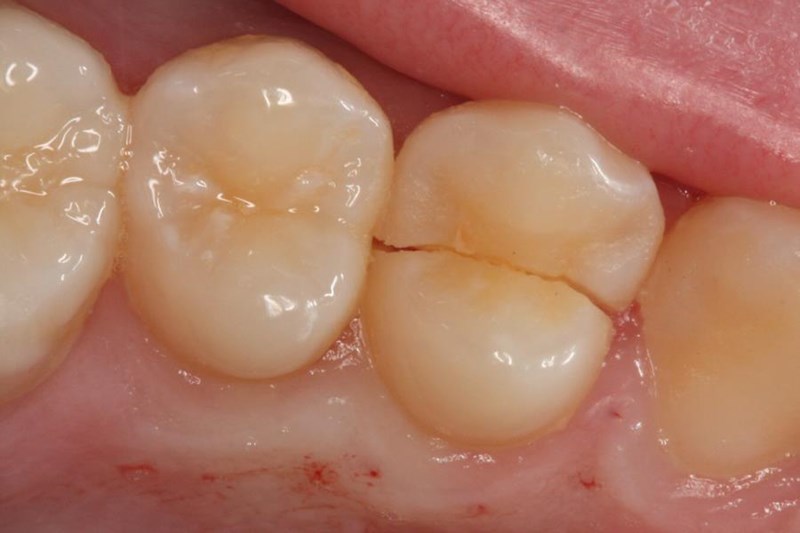
Cracking a Tooth – What Should You Do?

Excruciating pain can be caused if you break or crack a tooth, with some of the worst cracks leaving sensitive nerves exposed. If you do crack your tooth, there are a number of things you can do to control the pain and to help your dentist repair the damage as best they can.
Image result for crack in the tooth
As soon as you know that you’ve cracked your tooth, use warm water to rinse your mouth out, replacing the water regularly. If there is blood, use gauze (or a warm teabag) and apply gentle pressure to the area until it stops. Use cold packs on the outside of your face if you experience any swelling and take over-the-counter painkillers to reduce the pain you’re in. Then, get in touch with your dentist immediately.
When you visit your dentist, they’ll be able to tell you if a cavity or trauma has caused the break, and they’ll also be able to tell if any blood vessels or nerves have been damaged. Then, they’ll proceed with the best course of action to save as much of your tooth as they can.

Persistent Toothache – What Should You Do?

Image result for tooth ache
There is nothing worse than a toothache that won’t go away and a persistent toothache can soon become debilitating. There are a number of reasons why this may occur, from a foreign object that’s got stuck in your gum to a tiny fracture that’s not visible. Whatever the reason for pain, there are a few ways that you can manage your toothache.
First, to keep bacteria at bay, rinse your mouth out with warm salt water; this will also help to soothe the temperature of your tooth. Floss around the tooth that’s aching to make sure there’s no debris caught between it and another tooth or the gum. Sometimes a toothache can be caused when a little piece of food has gotten lodged somewhere and it puts pressure on the tooth and/or gums, causing the pain you’re experiencing. However, if this doesn’t remove the ache, you can take over-the-counter pain relievers and use a cold pack on your face.
If the pain has been caused by something that’s gotten stuck in your teeth, you’ll probably be able to sort this problem out at home and you won’t need to seek a dentist’s advice. However, if the problem doesn’t go away and you don’t know what’s causing it, you should book an appointment with your dentist. They’ll then be able to advise you on what is causing the pain and will tell you what options there are to resolve it.
So, even though you don’t want to think about any of these things happening, by being prepared it’ll help you deal with the situation quickly and effectively, achieving the best possible outcome for your teeth. And, as mentioned in every dentist emergency, it’s important to get in touch with your dentist as soon as you can so they can help resolve your pain and discomfort as soon as possible. If you leave any of these dental traumas for longer than you should, it could result in further problems and even tooth loss.

Lowering Children’s Risk of Tooth Decay

https://www.facebook.com/sharer/sharer.php?u=https%3A%2F%2Fwww.facebook.com%2Fnytimesscience%2Fvideos%2F1079467908799901%2F&display=popup&ref=plugin&src=video

Bad breath and How to Cure it

Image result for bad breath
Last week, A patient who came with a complaint of bad breath.He said he cares his mouth very cautiously but the breath seems bad.He use to clean the teeth with mango leaves and tooth powder.After examination, the oral hygiene status seems poor. He's also worrying about what people might think when you open your mouth can be an embarrassing and anxious experience. It can affect how people react to you, leaving you feeling self-conscious and hurt.


There's a wide variety of causes for bad breath.For getting rid of it, the best way is to visit your dentist.
Image result for bad breath


What causes bad breath?

Poor oral hygiene
Bad breath is usually a result of food getting stuck in the mouth or teeth and collecting bacteria. Food that gets stuck between your teeth starts to rot, which can result in bad breath or a bad taste that doesn’t seem to go away.

What you consume
Garlic, onion, and chili are all foods that might stay on your breath for up to 24 hours after eating. Unfortunately, there’s no quick fix, but the smell should disappear as your body processes the food. Smoking and excessive alcohol on a regular basis can also affect the way your breath smells.
On the other hand, when you’re not drinking enough, you likely aren’t washing the bacteria out of your mouth regularly. Drinking more water helps to keep those bacteria at healthy levels. Dieters can also develop bad breath through not eating or drinking regularly enough.

Dry mouth
Part of your saliva’s job is to wash away excess food and bacteria from your mouth. When you suffer from dry mouth on a regular basis due to medicines, alcohol, stress or another medical condition, those bacteria can build up and start to cause an unpleasant smell.
If you’re finding that you often have a dry mouth, or have a strange-tasting film on your tongue, book an appointment with your dentist to discover the underlying cause.

Other medical issues
Unfortunately, sometimes these relatively simple issues aren’t the cause for bad breath. On very rare occasions, bad breath can be caused by respiratory tract infections, chronic sinusitis or bronchitis, diabetes, or kidney and liver conditions, so it’s best not to ignore the problem if it carries on consistently.
If your dentist has investigated and discovered that you have a healthy mouth and dental system, you might want to visit a doctor to see if the bad breath is a symptom of a more serious medical problem.

How to cure bad breath

Brushing your teeth two or three times a day using proper brushing techniques and flossing regularly will help to get rid of these bacteria, leaving your mouth feeling fresh. Flossing is great for removing the extra plaque or rotten food that has become lodged between your teeth. Tongue cleaners or scrapers can also help if there is a persistent bad smell or taste behind your tongue. If you have trouble getting to the back of your mouth, you might like to book an appointment to see an oral hygienist.
Some mouthwashes can help to get rid of the bacteria that cause infections and bad breath. Use an alcohol-free mouthwash because using the brands with alcohol regularly can stress the tissues inside of your mouth. Just remember, mouthwash is never a replacement for brushing or flossing, because it can’t remove plaque adequately.
Try drinking more water, eating less garlic, onion, or spicy foods,  and quitting smoking if you’re finding that your bad breath is coming back soon after brushing your teeth or flossing.

If you don’t see any improvement in your breath after you’ve made these changes or are concerned that there may be other issues, it’s best to book an appointment to see your dentist. We can check for any dental issues or infections that could be causing the problem.